


Our Principals

Since 1959, the School has been guided by nine Principals shaping its leadership and direction.
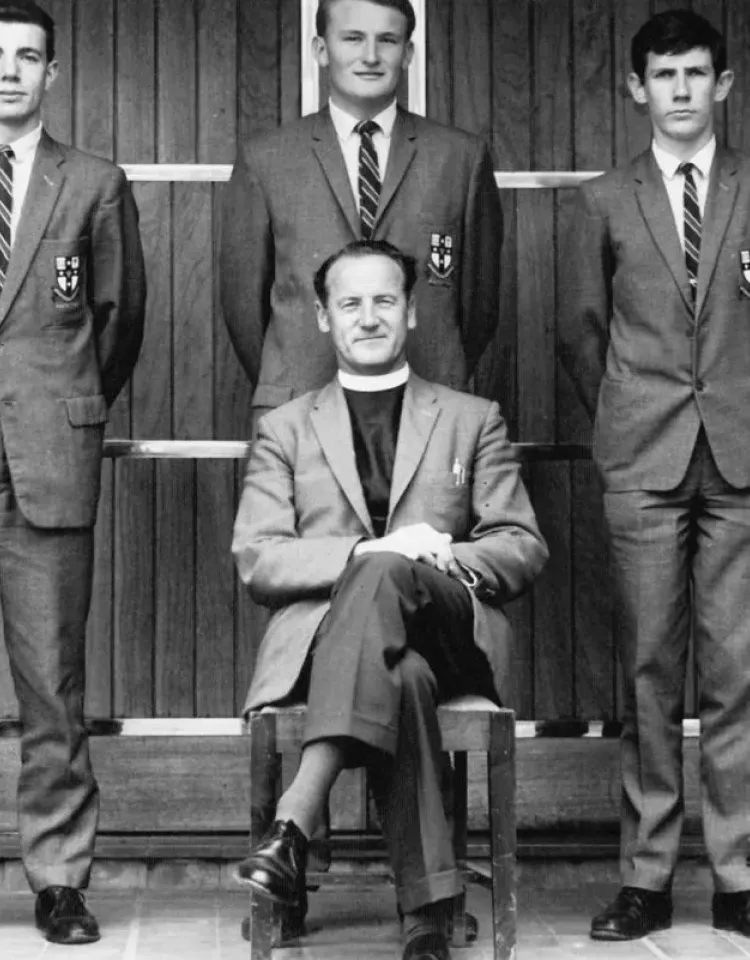
Rev Richard Bosanquet
On 3 February 1959, Archdeacon Begbie installed Rev Bosanquet as the first headmaster of The Illawarra Grammar School. Supported by two members of staff and the Rector of St Mark’s Anglican Church, Rev Roy Gray, the School commenced with 28 boys.
Rev Bosanquet was born and educated in Sydney. He served in the Army during World War II and after demobilisation he trained as a clergyman at Moore Theological College. He served in a number of parishes within the Anglican Diocese of Sydney before being appointed as a Chaplain at Shore School. His appointment as Foundation Headmaster of The Illawarra Grammar School was made in 1958 in preparation for the first day of lessons.
Known as ‘Bosie’ to the students, Rev Bosanquet was described by the School Council in 1965 in the following words: “No praise could be too great for the devotion and hard work of Mr Bosanquet during the seven years of his position as first Headmaster of the School. It was not an easy task to begin a school with nothing but a few boys and a small, untried staff to assist him. There was the additional handicap of conducting the School for the first year in borrowed buildings at St Mark’s – but all these problems were faced with cheerfulness and courage. He laid solid foundations both scholastically and spiritually and he will be remembered most of all for his love of the boys themselves.”

Mr Jock Mackinnon AM
Mr Mackinnon was appointed the School’s second Headmaster and believed that “A school such as TIGS should be aiming to develop the potential of every boy in all directions possible”. A highly respected educator, he championed a well-rounded education that embraced academic excellence, spiritual growth, community service and physical activity.
When Mr Mackinnon began his tenure, the School had an enrolment of 231 boys. By the time he left five years later, that number had grown to 353, prompting the need for new Junior School classrooms and the construction of The Arthur Evans Memorial Library, which opened in 1967. Mr Mackinnon also worked to strengthen collaboration between local schools, introducing debating evenings and inter-school sports competitions. He played a key role in fostering closer ties with SCEGGS Gleniffer Brae, laying the groundwork for future amalgamation to become a co-educational school.
After his time at Illawarra Grammar, he continued his career in education, serving as Headmaster of Pulteney Grammar School before becoming the Founding Principal of Radford College.

Mr Ian Chapman
Mr Ian Chapman served as the third Headmaster of Illawarra Grammar from 1972 to 1988, a formative era that significantly shaped the School’s identity and direction. Prior to his appointment, he held the role of Master of the Middle School at Haileybury College, a leading boys’ school in Victoria.
In his early years at the School, Mr Chapman oversaw the opening of a new Junior School complex and the expansion of the Library. He also introduced a major reform to the School’s House System, establishing four houses named after Aboriginal people groups – Aranda, Coligan, Kogara and Wolgal – with the aim of fostering a stronger sense of belonging and cross-age support among students.
In 1975, Illawarra Grammar assumed responsibility for SCEGGS Gleniffer Brae, with Mr Chapman appointed as Headmaster of both schools. The two schools were formally amalgamated in 1976, marking the transition to a co-educational learning environment.
Over the following decade, Mr Chapman led continued curriculum development, ensuring students received a broad and enriching education. A wide range of Music and Art programs was introduced, along with increased opportunities for inter-school sport, emphasising the School’s ongoing commitment to holistic education.
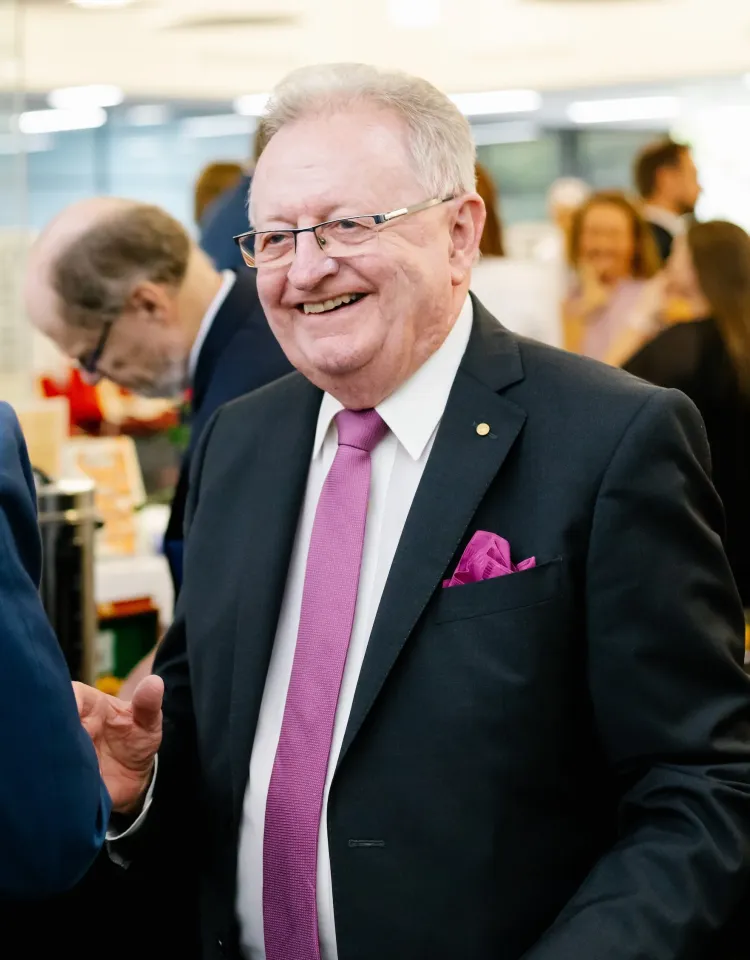
Reverend Peter Smart OAM
In 1989, Reverend Peter Smart was appointed as the fourth Headmaster of Illawarra Grammar. In 1991, he expressed his hope that students would develop a strong belief in themselves, encouraging them not to follow the crowd but to be “pacesetters in positive good and self-giving service, looking to high goals in every aspect of life.”
During his tenure, the School saw various developments, most notably the opening of the Illawarra Grammar Centre (IGC) in 1995. Rev Smart also established the International Student Program, broadening opportunities for global engagement and cultural exchange.
He is fondly remembered by alumni for his thoughtful traditions, including handing out Freddo Frogs on students’ birthdays – or if he momentarily forgot a name – and gifting heart-shaped ice creams on Valentine’s Day.

Mr John Weeks OAM
Mr John Weeks was appointed as the fifth Headmaster of Illawarra Grammar in 1997, having previously served as the Founding Headmaster of Hunter Valley Grammar School. His tenure at Illawarra Grammar was marked by a transformation of the School’s physical environment, improving both its facilities and grounds.
During his leadership, the School saw the construction of a new Kindergarten – Year 6 complex, which remains the Junior School’s home today. The Design and Technology Centre was completed in 2000, followed by the opening of the Goodhew Research Centre in 2001. The refurbishment of the Photo Media and Visual Arts spaces, the creation of the Senior Courtyard, and the addition of colonnades helped to enhance the campus. Extensive landscaping, including mature trees and new gardens, further improved the School’s surroundings.
In 2002, a new Music Centre (now known as the Weeks Building) was established on the upper level of the Illawarra Grammar Centre, alongside the expansion of the car park and new entry gates off the Princes Highway. That same year, the School opened an Early Learning Centre. The following year, the Kevin Donald Science Centre was completed, providing four new science laboratories for students.
These developments reflected Mr Weeks’ vision for a more modern and engaging learning environment. His leadership helped shape the campus into a dynamic space that provided students with greater opportunities for growth and achievement.
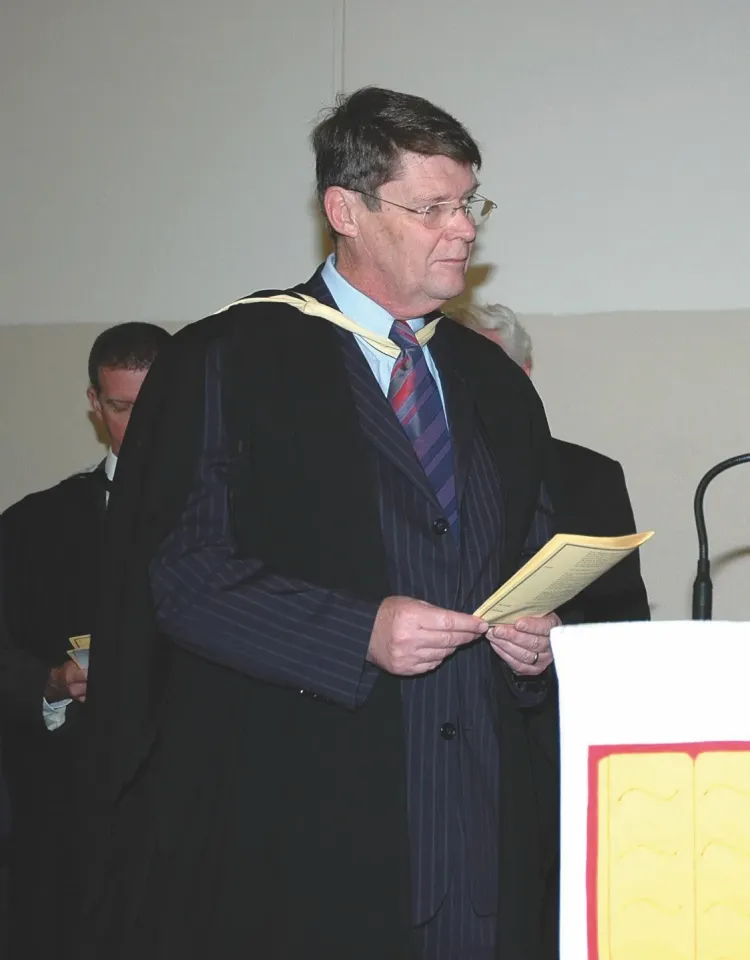
Mr Anthony Horsley
Mr Anthony Horsley commenced as the sixth Headmaster of Illawarra Grammar in July 2004, following two terms of interim leadership by Acting Head, Mrs Monica Watt. Prior to his appointment, Mr Horsley was Principal of Gippsland Grammar in Victoria.
His vision for Illawarra Grammar was centred on enriching the student experience through a balanced and broad education. He reinstated sport within school hours for the Senior School and proposed the introduction of an off-campus Year 9 program, aimed at fostering independence, resilience and experiential learning.
Mr Horsley was also a strong advocate for the study of languages other than English, recognising their role in cultivating cultural awareness and diverse ways of thinking.

Mr Stephen Kinsella
Mr Stephen Kinsella commenced as the seventh Headmaster of Illawarra Grammar in 2006, following five years as Principal of Kormilda College in Darwin. His early leadership at Illawarra Grammar saw the School Council refine its mission statement, reinforcing the core values of academic excellence, Christian faith and pastoral care.
Under his leadership, Illawarra Grammar became an International Baccalaureate (IB) World School. Mr Kinsella chaired the Association of Australasian International Baccalaureate Schools from 2000 to 2002. He also introduced the Arrowsmith Program to Illawarra Grammar and expanded the School’s cocurricular and service learning opportunities.
A committed Christian educator, Mr Kinsella worked to integrate a biblical worldview across the School’s curricula and culture. In early 2018, Mr Kinsella was appointed Executive Director of Anglican EdComm, the Education Commission of the Anglican Diocese of Sydney.
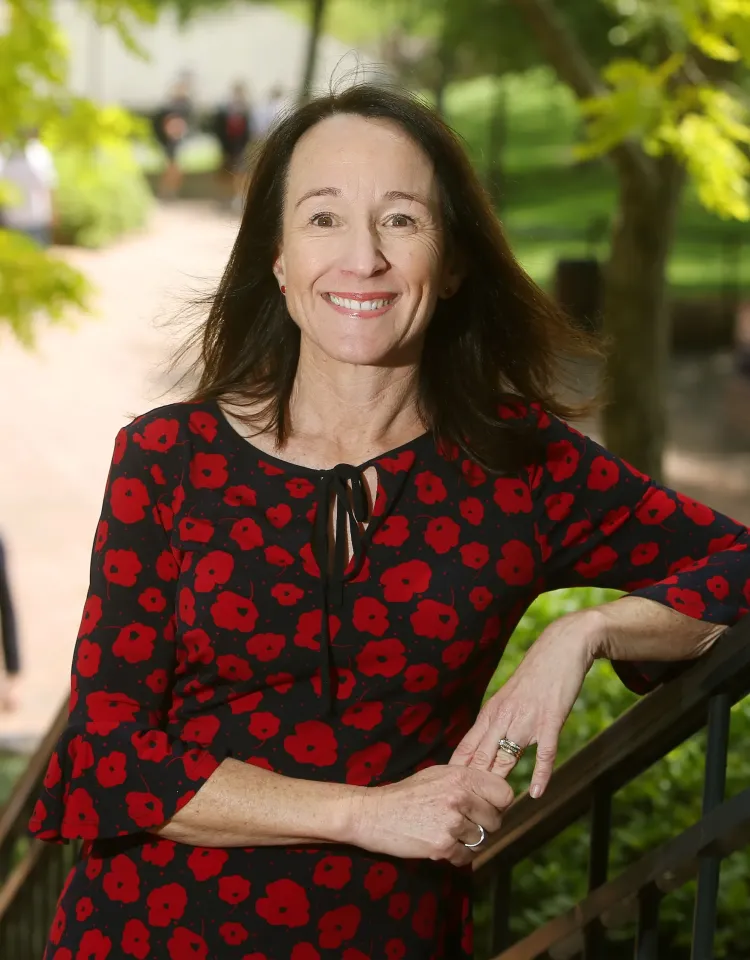
Mrs Judi Nealy
Mrs Judi Nealy served as the eighth Principal of Illawarra Grammar from 2018 until her retirement at the end of 2023. Before her appointment, she served as Head of Junior School and, from 2016, in the dual role of Deputy Headmaster and Head of Junior School.
Mrs Nealy’s leadership was marked by a deep commitment to the School’s Christian ethos, academic excellence and student wellbeing. She oversaw the development and implementation of a Strategic Vision that guided the School through to 2022, focusing on five key pillars: Academic, Christian, Caring, Stewardship and Service.
Throughout her tenure, Mrs Nealy emphasised the importance of strong relationships, community engagement and personal growth. She championed a culture where students were encouraged to strive for their personal best, supported by dedicated staff and a nurturing environment.
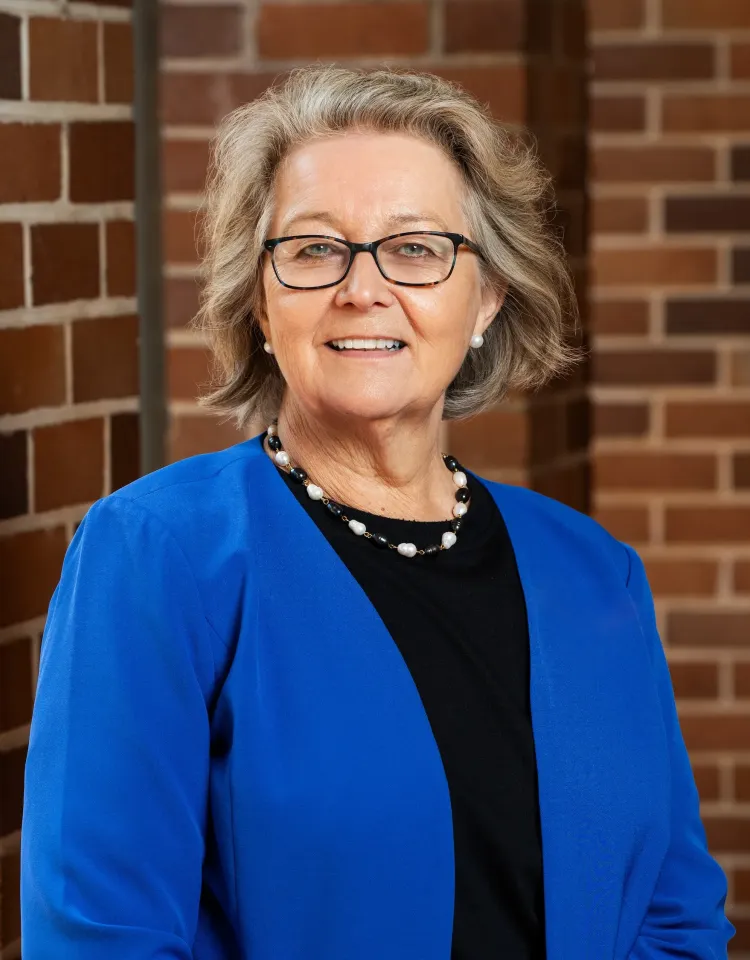
Dr Julie Greenhalgh
Dr Julie Greenhalgh commenced as the ninth Principal of Illawarra Grammar in January 2024, bringing over four decades of educational leadership to the role. Her career began as a Science and Mathematics teacher, progressing to Head of Science at Canberra Grammar School, followed by leadership positions at Pymble Ladies’ College, and a 16-year tenure as Principal of Meriden School in Sydney. She has also served on the Board of Cranbrook School and held leadership roles within the Association of Heads of Independent Schools of Australia (AHISA) and the Association of Heads of Independent Girls’ Schools (AHIGS).
At Illawarra Grammar, Dr Greenhalgh has introduced the Colonnade Model, which articulates the School’s educational philosophy. This model is built upon four pillars: Academic Excellence, Cocurricular Opportunities, Character Development and Future Readiness, all firmly based on Christian Foundations.
Dr Greenhalgh’s leadership is distinguished by her unwavering focus on high-quality teaching and learning. She is committed to ensuring that classrooms are places of academic rigour, deep engagement and purposeful instruction. Under her guidance, various initiatives have been launched, including: the expansion of Languages, Cambridge IGCSE extension courses, The Podium Program, The Music Academy, a dedicated Junior School STEM program, new Year 8 electives, and a revision of the School’s academic reporting framework.
Her leadership has seen the opening of major new facilities, including the Summerill Kitchen and the Hoskins Building, alongside the development of a Master Building Plan to guide ongoing revitalisation, development, and acquisition of land and facilities.